What to know about Bromley Council rubbish rules in Chislehurst
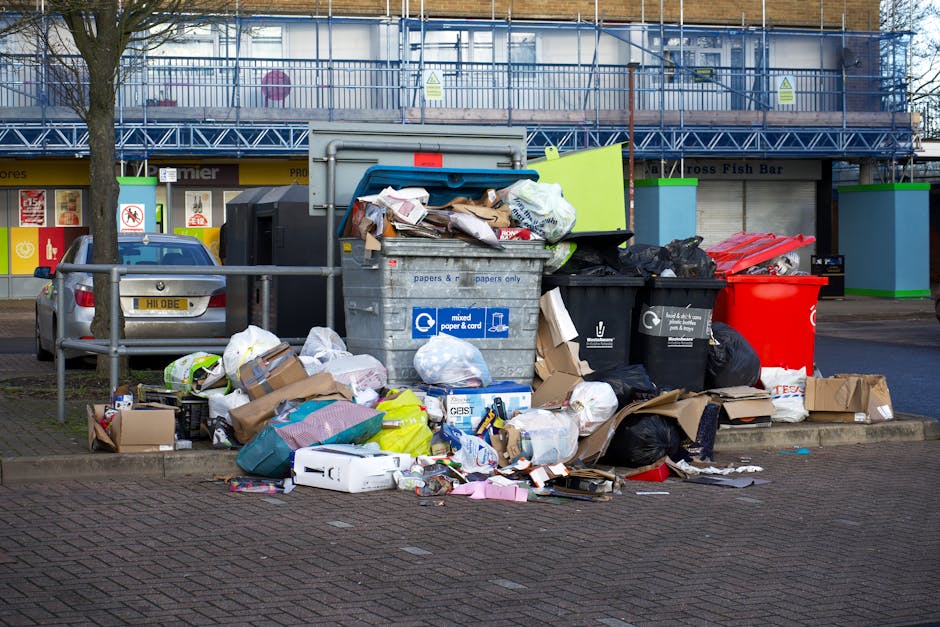
If you live or work in Chislehurst, rubbish rules can feel straightforward one day and oddly confusing the next. One missed bin collection, one extra black sack, or one awkwardly placed bulky item can suddenly turn into a problem you did not plan for. This guide on What to know about Bromley Council rubbish rules in Chislehurst breaks everything down in plain English, so you can understand what is expected, what usually causes issues, and how to stay on the right side of local waste arrangements without making life harder than it needs to be.
Whether you are clearing out a house, dealing with renovation waste, managing a shop or office, or just trying to get rid of a broken fridge that has been leaning in the hallway for three weeks, the basics matter. A little knowledge saves time, stress, and avoidable mess. And, to be fair, nobody wants rubbish hanging around on a damp Tuesday morning in a quiet Chislehurst street.
Why What to know about Bromley Council rubbish rules in Chislehurst Matters
Local rubbish rules are not just admin in the background. They shape how quickly waste leaves your property, whether your street stays tidy, and whether you avoid nuisance, penalties, or complaints from neighbours. In a place like Chislehurst, where homes, flats, shops, and offices can sit quite close together, the way waste is handled makes a real difference.
There is also a very practical side to it. If you know the rules around household bins, recycling, bulky waste, and what should never go in a normal bin, you are far less likely to end up with overfilled bags, contamination in recycling, or a collection day disaster. The difference between "sorted" and "stuck with it" can be one small decision.
For businesses, the stakes are even higher. Commercial waste needs a clearer system, proper storage, and reliable collection. If you are managing an office, a rental property, a shop fit-out, or a building project, the expectations rise fast. That is where a service such as business waste removal or builders waste clearance can help keep everything under control while still staying aligned with local expectations.
Practical takeaway: the simplest way to avoid rubbish headaches in Chislehurst is to separate everyday household waste, recycling, bulky items, and specialist waste before collection day. Most problems start with mixing them all together.
How What to know about Bromley Council rubbish rules in Chislehurst Works
At a high level, waste in Chislehurst is handled through the usual mix of household collections, recycling arrangements, and separate routes for items that do not belong in a standard bin. That sounds simple enough. The catch is that each category has its own expectations, and the details matter.
For everyday homes, the main idea is that rubbish should be presented correctly, at the right time, and in the right containers where applicable. Recycling needs to be clean enough to process. General waste should not be overloaded with items that can be recycled or require special treatment. Bulky waste and large clear-outs are usually handled separately, rather than by stuffing everything into black sacks and hoping for the best. That never ends well, does it?
For larger or more complex jobs, people often use a clearance or removal service instead of trying to fit everything into council collections. That can be especially useful when you need help with large furniture, appliances, a loft clearance, or a full property clear-out. If that sounds familiar, pages such as house clearance, flat clearance, and loft clearance are the sort of support many local residents look at when standard collections are not enough.
There is also an important difference between household and business waste. If you are running a workplace, the rules are usually tighter in practice because you are responsible for keeping waste secure, stored properly, and collected by a suitable arrangement. In busy premises, even small mistakes can pile up quickly. A few cardboard boxes here, a broken chair there, and suddenly the back room looks like a storage unit no one asked for.
Key Benefits and Practical Advantages
Understanding the rubbish rules properly brings more benefits than people often expect. It is not just about avoiding trouble; it is about making the entire process smoother.
- Less waste build-up: You clear space faster and stop rubbish from lingering indoors or outside.
- Fewer missed collections: Correct presentation and sorting make collection day much easier.
- Better recycling outcomes: Cleaner separation means more items can be processed properly.
- Lower risk of complaints: Neighbours and visitors are less likely to deal with odours, mess, or overflowing bags.
- Safer handling: You reduce the chance of injury from lifting, broken glass, sharps, or heavy items.
- More control over bigger jobs: With a plan, clear-outs feel manageable instead of overwhelming.
There is a quieter benefit too: peace of mind. You know where things stand. That matters when you are juggling work, family, maintenance, or a move. A tidy waste plan takes a surprising amount off your shoulders.
If you are clearing a room, replacing furniture, or tackling a project with awkward items, it helps to think beyond the bin. For example, a broken wardrobe, a sagging sofa, and an old mattress do not all belong in the same category. Services such as mattress and sofa disposal and furniture disposal are far more sensible for those items than trying to squeeze them into routine rubbish handling.
Who This Is For and When It Makes Sense
This topic matters to a surprisingly wide range of people in Chislehurst. Some are obvious, some less so.
- Homeowners doing seasonal clear-outs, moving house, or dealing with accumulated clutter.
- Tenants and landlords handling end-of-tenancy rubbish, abandoned items, or post-move cleaning.
- Flat residents who need to manage limited storage, shared bins, or bulky items in tight spaces.
- Business owners who want reliable and lawful disposal for office waste or shop rubbish.
- Tradespeople dealing with construction offcuts, packaging, and site waste.
- Gardeners and keen DIYers who end up with green waste, soil, timber, old fixtures, and assorted debris.
It makes sense to pay attention whenever waste becomes more than a single bin bag. A one-off tidy-up is easy enough. But once you get into furniture, appliances, building rubble, confidential paperwork, or mixed materials, you need a better plan. In our experience, that is exactly when people realise the bin is not the solution. Slightly obvious, maybe. Still true.
For larger domestic jobs, a broader service like home clearance can be a practical middle ground. For commercial spaces, office clearance is often a more efficient answer than trying to stage waste removal piecemeal.
Step-by-Step Guidance
If you want to deal with waste properly in Chislehurst, the easiest approach is to work through the job in order. Not glamorous, but very effective.
- Identify the waste type. Separate general rubbish, recycling, bulky items, garden waste, electrical items, and anything hazardous or specialist.
- Check what belongs where. Ask yourself whether the item is safe and suitable for normal collection, or whether it needs separate handling.
- Reduce what you can. Donate, reuse, repair, or repurpose anything that is still useful.
- Pack waste safely. Use strong bags or containers, and avoid overfilling them. Loose debris causes more trouble than people expect.
- Set items out correctly. Follow the timing and presentation expectations for collection day.
- Arrange specialist removal if needed. For bulky, heavy, or regulated waste, book a proper collection rather than improvising.
- Keep proof where sensible. For business waste especially, keep records of collections, invoices, and any transfer paperwork you are given.
A simple example: if you are clearing out a garage, the odds are you will find paint tins, broken shelving, half a bicycle, old cardboard, and maybe a few mystery items from a different era. That mix is exactly why sorting first saves time later. You do not want to discover, at the kerbside, that half the pile should never have been there.
For awkward household jobs, services like garage clearance and garden clearance can take a lot of the burden away. If you are dealing with renovation remnants or post-project debris, builders waste clearance is the more appropriate route.
Expert Tips for Better Results
The best waste jobs usually look boring from the outside. That is a compliment, honestly. No chaos, no half-finished piles, no confusion. Just a tidy outcome.
- Sort as you go, not at the end. If you wait until the pile is huge, mixed waste becomes much harder to manage.
- Keep a separate box for small hazardous bits. Batteries, aerosols, bulbs, and sharp fragments should not end up loose in general waste.
- Break items down where safe. Flat-pack wood, broken furniture, and cardboard usually become much easier to handle once reduced in size.
- Protect stairways and floors. Heavy lifting in older Chislehurst homes can scuff paint, scratch wood, and make a noisy mess very quickly.
- Think about access. Narrow hallways, shared entrances, and front-garden storage all affect how waste should be moved out.
- Do not leave it until the last minute. Rubbish always seems to multiply overnight. Strange but true.
If you are dealing with appliances, check whether they need specialist handling before moving them. A fridge, for example, can be awkward, heavy, and not something you want to drag around on a bad back. Services like fridge and appliance removal can be a much cleaner solution.
For documents, records, and sensitive paper waste, use a secure route rather than just tossing it with ordinary rubbish. If confidentiality matters, confidential shredding is the safer answer.
Common Mistakes to Avoid
Most rubbish issues are not caused by bad intentions. They are caused by small, avoidable assumptions.
- Mixing everything together: Recycling contaminated by food, liquids, or the wrong materials can undermine the whole load.
- Leaving bags too late: If waste sits out for too long, it becomes a nuisance and may attract attention for the wrong reasons.
- Ignoring bulky item rules: Sofas, wardrobes, and mattresses need a different approach from normal household rubbish.
- Putting hazardous items in general waste: This can be unsafe and may not be accepted.
- Assuming all collections are the same: Household, business, garden, and construction waste each have different expectations.
- Underestimating the weight: Builder's rubble and soil are far heavier than they look. That bag might surprise you.
One common mistake is overconfidence with DIY clearances. A room looks manageable, then suddenly you are dealing with six bags, a broken desk, a carpet roll, and a mysterious smell from the cupboard. At that point, a more organised removal service often becomes the smarter move.
Tools, Resources and Recommendations
You do not need a complicated toolkit to manage rubbish well. A few sensible items and a little planning do most of the work.
- Strong waste sacks: Useful for general rubbish, but do not overload them.
- Stackable boxes or tubs: Good for sorting recyclables, small parts, and reusable items.
- Gloves and basic protective gear: Helpful for sharp edges, dusty lofts, and awkward handling.
- Labels or marker pens: Simple, but very handy for separating waste streams.
- Trolley or sack truck: Makes moving heavy items much easier if the route allows it.
- Calendar reminders: Especially useful for collection days, move-out dates, and project deadlines.
For people wanting a broader disposal plan, a visit to the recycling and sustainability information can help frame better long-term habits. If you are comparing how much you can put into a container versus arranging removal, what can go in a skip is also a useful reference point before you commit to any larger clearance method.
And if you want to understand the operational side of a provider before booking, the pages on insurance and safety and health and safety policy give a useful sense of the standards expected from a responsible service.
Law, Compliance, Standards, or Best Practice
Waste handling in the UK is shaped by general legal duties around duty of care, safe handling, and proper disposal. For households, that usually means following the local collection system, using approved routes for bulky or special items, and not dumping waste where it should not be. For businesses, the expectations are higher and more formal.
Best practice usually includes:
- separating waste correctly;
- keeping waste secure before collection;
- using reputable carriers for non-household waste;
- avoiding contamination of recyclable materials;
- keeping records where commercial waste is involved;
- treating hazardous or specialist items with extra care.
If you are a landlord, office manager, contractor, or shop owner, do not treat waste as an afterthought. It can affect safety, reputation, and day-to-day operations. A clear process is not just neat; it is sensible business. For commercial premises, a proper arrangement through business waste removal is often the least painful way to stay organised.
Also, if a provider mentions terms and conditions, payments, or collection rules, read them. Not because it is exciting, obviously, but because it prevents misunderstandings later. The terms and conditions and payment and security pages are the sort of things sensible people glance at before booking. Boring? Yes. Useful? Very.
Options, Methods, or Comparison Table
Different waste jobs need different methods. There is no single perfect option for every Chislehurst property, which is why comparing them side by side helps.
| Method | Best for | Strengths | Watch-outs |
|---|---|---|---|
| Normal household collections | Everyday rubbish and recycling | Simple, familiar, low effort | Limited space, strict sorting, not for bulky or specialist items |
| Bulky item removal | Sofas, beds, large furniture | Handled as a separate job, saves hassle | Needs planning and access |
| Skip-style approach | DIY, renovation, mixed bulky debris | Useful for larger volumes over time | Space, permissions, and what can go in it all matter |
| Professional clearance | Whole rooms, flats, garages, offices, lofts | Fast, organised, less lifting for you | Choose a provider carefully and check the scope |
For many residents, the sweet spot is professional clearance for the awkward stuff and normal council collections for the routine waste. That balance keeps things efficient without turning your driveway into a temporary landfill. Nobody wants that view on a Saturday morning, let's be honest.
Case Study or Real-World Example
A typical Chislehurst scenario goes something like this. A family is preparing to move and suddenly discovers the loft has become a museum of unused furniture, old toys, suitcases, broken lamps, and boxes no one has opened since before lockdown. There is also a tired mattress, a cracked chest of drawers, and some garden clutter from the shed. One person thinks it can all be managed with a few bin bags. Another person quietly knows better.
First, the waste is sorted into categories: keep, donate, recycle, and remove. Small recyclables are separated. The mattress and sofa are identified as bulky items. The shed contents are divided into garden waste and mixed rubbish. A few items are unsuitable for standard disposal and are set aside for specialist handling. What looked like a nightmare becomes a sequence of smaller jobs.
That is usually the trick. Break the big problem into the right pieces. The family saves time, avoids last-minute panic, and gets the property ready without leaving debris in the hallway for days. A local clearance route such as house clearance or loft clearance would fit a situation like that very neatly.
Truth be told, many clear-outs are less about rubbish and more about momentum. Once the first pile goes, the rest usually follows.
Practical Checklist
Use this simple checklist before collection day or before booking a removal service.
- Have I separated general waste, recycling, bulky items, and specialist waste?
- Are any items hazardous, sharp, confidential, or unsuitable for normal bins?
- Do I know which items need extra care, lifting help, or separate disposal?
- Have I reduced or donated anything that could still be reused?
- Are bags and boxes sealed, labelled, and safe to move?
- Is there enough access from the property to the collection point?
- Have I checked the timing for collection or booking?
- If this is business waste, do I have the right records and a proper collection plan?
- Do I need help with furniture, appliances, garden waste, or builders debris?
- Have I left enough time so I am not rushing on the day?
If you can answer yes to most of those, you are in good shape. If not, it is usually worth pausing and tidying the process before you lift another box. Small reset, big difference.
Get a free quote today and see how much you can save.
Conclusion
Understanding Bromley Council rubbish rules in Chislehurst is really about keeping life manageable. Once you know how to separate waste, when to use specialist disposal, and when a bigger clearance service makes more sense, the whole job gets easier. Less guesswork. Less clutter. Less standing at the window wondering where all the bags are going to fit.
For some people, that means a simple household tidy-up. For others, it means planning a more complex clearance for a loft, garden, garage, office, or property move. Either way, the smartest approach is the same: sort carefully, follow the local system, and use the right disposal route for the right material. That is how you avoid headaches and keep things moving.
If you are dealing with awkward, heavy, or mixed waste, the most reassuring step is often to get a proper plan in place before the mess starts to spread. A calm job is a good job. And that is usually enough.
Frequently Asked Questions
What should I do if I have more rubbish than my normal bin can handle?
Start by separating what can be recycled, reused, or donated, then deal with bulky or specialist items through the right disposal route. If the waste is too much for standard collections, a clearance service is often the most practical solution.
Can I put furniture out with my regular rubbish in Chislehurst?
Usually no. Large furniture should be handled separately because it is bulky, awkward, and not suitable for normal household waste. Sofas, wardrobes, and beds are better dealt with through a dedicated furniture or clearance service.
What counts as hazardous waste?
Hazardous waste can include items such as chemicals, certain paints, solvents, batteries, and other materials that need extra care. If you are unsure, do not mix them into general waste. Keep them separate until you know the right route.
Do businesses in Chislehurst have different rubbish responsibilities from households?
Yes, generally they do. Businesses are expected to manage waste more formally, keep it secure, and arrange suitable collections. Keeping records is also more important for commercial waste than it is for a normal home clear-out.
Is garden waste treated differently from general rubbish?
It often is. Soil, cuttings, branches, and green waste can sometimes be handled differently from mixed household rubbish, especially if the volume is large. A separate garden clearance is usually the cleaner route.
What if I need to get rid of an old fridge or washing machine?
Appliances are best handled through specialist removal because they are heavy, awkward, and may need careful treatment. Fridge and appliance removal is usually safer and easier than trying to move them as ordinary rubbish.
How do I avoid problems with recycling contamination?
Keep recycling clean and dry, and do not mix it with food waste, liquids, or non-recyclable items. If in doubt, separate it first and keep questionable items out of the recycling stream. That simple habit prevents a lot of waste.
What is the safest way to clear a loft or garage?
Sort the contents before moving them, wear gloves, and be careful with dust, sharp edges, and heavy boxes. For larger jobs, use a proper loft or garage clearance service so you are not carrying everything yourself.
Can confidential paperwork go in normal rubbish?
It should not, if you want to protect sensitive information. Confidently shredding or otherwise securing those documents is the safer option, especially for businesses or landlords handling personal data.
How do I know whether I need a skip or a removal service?
If you want time to load waste yourself and have the space for it, a skip-style approach may suit the job. If you want the waste lifted and taken away for you, a removal service is usually more convenient. The type and volume of waste will usually decide it.
What are the most common rubbish mistakes people make locally?
The biggest mistakes are mixing waste types, leaving bulky items until the last minute, overfilling bags, and putting specialist items into normal rubbish. Most of these issues are easy to avoid once you plan ahead.
Where can I find more about your company and standards?
You can look at the about us page for a sense of the company background, and the pages on insurance and safety plus recycling and sustainability for more on working practices and responsible waste handling.
What should I do if I still feel unsure about the rules?
Keep the waste separate, avoid guessing with hazardous or bulky items, and choose the most suitable disposal route for what you have. If the job is bigger than expected, get advice early rather than waiting until rubbish becomes a visible problem. That little bit of caution usually pays off.