Rubbish Collection Access Problems Hurst Road Chislehurst Solutions
If rubbish collection is being held up by narrow driveways, parked cars, awkward gates, or simply not enough room to manoeuvre on Hurst Road, you are not alone. Rubbish collection access problems Hurst Road Chislehurst solutions is a very real search because these issues can turn a straightforward waste job into a frustrating delay. The good news? Most access problems can be managed with the right approach, a bit of planning, and the right waste removal support.
This guide explains what the access problem usually looks like, why it matters, and how to solve it in a way that is practical, safe, and realistic for homes and businesses around Chislehurst. We will cover the steps, the common mistakes, the best methods, and the kind of preparation that makes the whole process smoother. Truth be told, a lot of waste jobs go wrong for very ordinary reasons. A wheelie bin is blocked, a van cannot stop safely, or a bulky item simply will not fit through a hallway without a plan. Small things, big disruption.
Whether you are dealing with household clutter, builder's waste, furniture, or a one-off clearance, this article will help you understand your options and choose a sensible next step.
Why Rubbish Collection Access Problems Hurst Road Chislehurst Solutions Matters
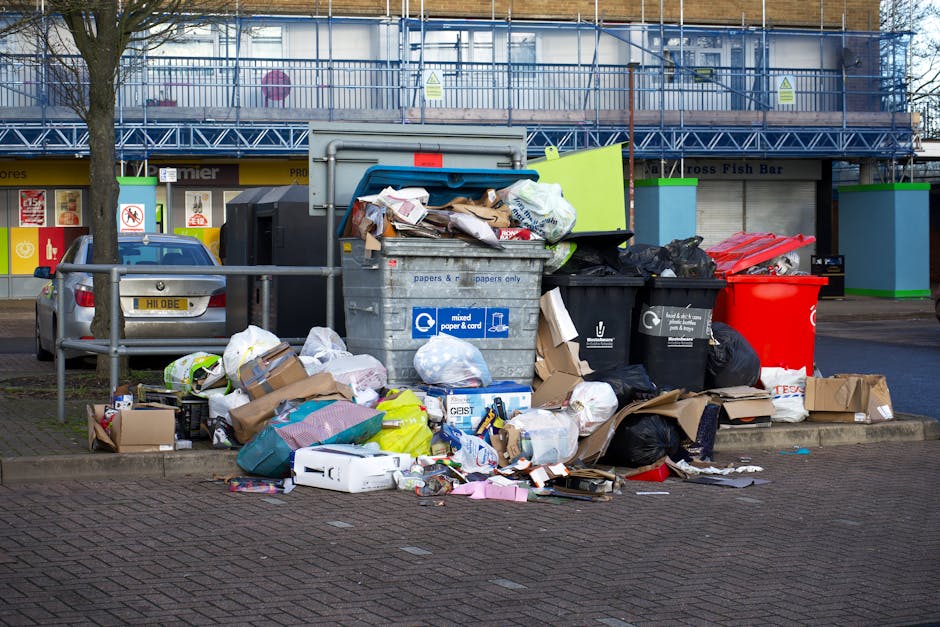
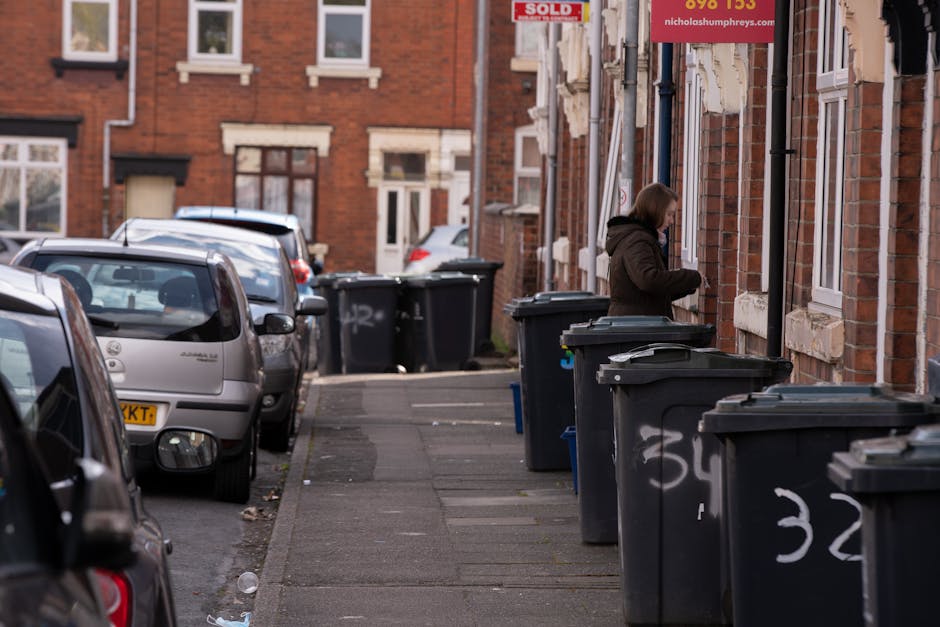
Access problems sound minor until you are standing outside with heavy bags, old furniture, or building debris and nothing can be collected safely. On a street like Hurst Road, the details matter: the width of the access point, the distance from the property to the vehicle, parking restrictions, turning space, kerb height, and whether waste needs to pass through a shared area. Miss one of those and the job becomes slower, riskier, and sometimes more expensive.
It matters for more than convenience. Poor access can lead to:
- missed or delayed collections
- extra manual carrying and more physical strain
- damage to walls, paving, gates, or flooring
- unsafe lifting conditions for staff or residents
- confusion over what can actually be removed in one visit
There is also a practical side. If a collection team arrives and cannot access the waste properly, the job may need to be rescheduled. That means more time with clutter in the way, more inconvenience, and sometimes more cost. Nobody wants the sofa still blocking the hall while waiting for a second attempt.
In busy residential streets, access is often the hidden issue behind what looks like a simple clearance request. The answer is rarely just "send a bigger van". More often, it is a mix of route planning, clear communication, sensible item staging, and choosing the right service for the property layout.
How Rubbish Collection Access Problems Hurst Road Chislehurst Solutions Works
Solving access problems is usually a planning exercise first and a collection exercise second. The aim is to make the route from the waste to the vehicle as safe and efficient as possible. In practice, that means identifying the bottleneck before collection day.
The process usually works like this:
- Assess the route. Check how waste will leave the property: front path, side access, rear garden, communal hallway, basement stairs, or driveway.
- Measure the awkward parts. Narrow gates, tight turns, low walls, or steep steps can all change what is possible.
- Match the service to the site. A standard bin lift, a man-and-van clearance, a bulky item removal, or a full property clearance may each suit different access conditions.
- Prepare the waste. Group items together, flatten where possible, separate hazardous or restricted materials, and leave clear walking space.
- Confirm arrival details. Clear instructions on where to park, where to enter, and what obstacles exist can save a lot of back and forth.
That sounds simple, and often it is. But the devil is in the details. A low branch, a locked communal gate, or a neighbour's car on the wrong side of the road can change the whole job. To be fair, these are the sorts of things you only notice when you are trying to move a fridge through them.
Some collections also involve a hand-load phase, where waste is carried from the property to the vehicle in manageable loads. This is especially useful where the van cannot park directly outside. It is common in terrace homes, flats, converted buildings, and properties with limited turning space. The main aim is simple: reduce friction without compromising safety.
Key Benefits and Practical Advantages
When access issues are handled properly, the benefits are immediate. You save time, reduce stress, and make the whole collection much more predictable. That is not just nice to have; it often decides whether the clearance feels like a tidy solution or a headache.
| Approach | Main advantage | Best for |
|---|---|---|
| Pre-planned collection | Clear route, fewer delays | Homes with known access limitations |
| Hand-loaded clearance | Works where vehicles cannot park close | Flats, rear gardens, tight streets |
| Item-by-item removal | Flexible for awkward or bulky items | Furniture, appliances, mixed waste |
| Full property clearance | Best for larger volume jobs | House clearances, end-of-tenancy jobs |
The practical advantages go beyond speed:
- Safer lifting: Waste can be moved in smaller, better-planned loads.
- Less property damage: Routes can be chosen to avoid scuffs and knocks.
- Better cost control: Fewer surprises if access is discussed early.
- Cleaner handover: Useful for landlords, tenants, and sellers who need the property ready.
- More flexibility: Works even when the collection vehicle cannot sit right outside the door.
Expert summary: The best access solution is usually the one that removes uncertainty early. If the route, parking, item size, and waste type are clear before collection day, the job tends to be calmer, quicker, and far less stressful.
Who This Is For and When It Makes Sense
This kind of planning helps a wide range of people, but it is especially useful if your property has physical access limits or if the waste itself is awkward to handle. Hurst Road and the surrounding Chislehurst area include the sort of mixed property types where access can vary a lot from one address to the next. One house has a wide drive. The next has a narrow gate and a side return barely wide enough for a wheelbarrow. Life, eh?
You may need access-focused rubbish collection solutions if you are:
- a homeowner with bulky household waste or garden debris
- a landlord clearing a rental between tenancies
- a tenant trying to clear items before moving out
- a builder or tradesperson managing renovation waste
- a business owner with office furniture or packed storage areas
- someone dealing with loft, garage, or basement clearance
It makes sense when:
- the vehicle cannot legally or safely stop right outside
- you have stairs, narrow corridors, or shared entrances
- there are parking restrictions or limited loading space
- items are heavy, fragile, or awkwardly shaped
- you want a one-visit solution rather than multiple trips
If you are not sure whether your access is "bad enough" to mention, assume it is worth mentioning anyway. That simple heads-up often prevents the kind of last-minute scramble that nobody enjoys.
Step-by-Step Guidance
Below is a practical way to deal with rubbish collection access problems without making the process more complicated than it needs to be.
- Walk the route. Start at the waste and move toward the road or parking point. Look for tight corners, low ceilings, steps, and anything that forces a detour.
- Measure where it matters. You do not need surveyor-level detail, just enough to know whether large items can pass through safely.
- Identify the largest items first. A sofa, wardrobe, appliance, or bath can determine the whole plan. Everything else usually follows from that.
- Check parking and stopping options. If a van cannot wait directly outside, ask where it can safely load without blocking traffic or neighbours.
- Separate waste types. Put general waste, reusable items, electricals, and anything potentially hazardous into sensible groups.
- Clear the route inside the property. Move shoes, mats, plant pots, bikes, boxes, and anything else that could trip someone or snag a carried item.
- Tell the collection team about the awkward bits. A gate code, a tight stairwell, a shared entrance, or a fragile floor can be the difference between a smooth job and a messy one.
- Confirm timing. If access is only available at certain times, say so clearly. Short windows matter more than people think.
A tiny bit of preparation goes a long way. Even clearing one metre of space around a sofa can save several minutes and a lot of awkward twisting. You will notice the difference immediately.
Expert Tips for Better Results
In our experience, the best results come from removing uncertainty before the truck arrives. That does not require much. Just a clear picture of the site and a sensible plan for the heavy stuff.
- Photograph the access route. A couple of simple photos of gates, stairs, parking, and the main items can help explain the job much better than a rushed phone call.
- Measure the awkward item, not just the room. A room may look roomy enough, but an object with fixed handles or a wide base can still snag on a corner.
- Leave a turning point clear. If movers need to pivot a wardrobe or fridge, even a small blocked space can stop the whole movement.
- Protect floors where needed. Old timber, polished floors, and freshly cleaned areas can be vulnerable during a move. Simple protection can save regret later.
- Think about the return trip. It is easy to forget that loading is one thing and getting back out is another. The route needs to work both ways.
- Be honest about stairs and distance. A "few steps" can mean very different things to different people. Better to understate nothing, really.
One small but useful habit is to stage waste in order of removal priority. Put the most awkward item closest to the exit path only if it can be moved safely. Otherwise, leave a clear working zone and let the team decide the order. That kind of flexibility can make a huge difference.
If you are dealing with a cluttered space, it helps to take a deep breath and start with the easiest pathway. Not glamorous, but effective. There is a real relief in seeing the first clear stretch appear.
Common Mistakes to Avoid
A lot of access problems are not really access problems at all. They are communication problems. Or planning problems. Or just the result of one person assuming the other person knows the layout. Happens all the time.
- Failing to mention narrow access. If the team expects a straightforward roadside collection and finds a long carry instead, delays are likely.
- Not checking item dimensions. A "standard" wardrobe or sofa can still be too wide for a hallway with awkward turns.
- Ignoring parking restrictions. A van that cannot stop legally may not be able to complete the job as planned.
- Leaving obstacles in the route. Bins, planters, bikes, and delivery boxes can all cause avoidable problems.
- Mixing restricted waste with general rubbish. Some items need separate handling and should never just be bundled into a general pile.
- Assuming access will "sort itself out". It might. Sometimes. But usually not in the way you hoped.
Another common issue is not thinking about shared access. In flats or converted houses, a neighbour's parked car, a locked gate, or a communal hallway can affect collection even when your own space is tidy. That is why local knowledge and clear instructions are so useful.
Tools, Resources and Recommendations
You do not need fancy equipment to solve most access issues. A handful of simple tools and habits usually do the job better than anything clever.
- Measuring tape: Useful for gates, doorways, stair widths, and bulky items.
- Phone camera: Photos of the route can remove a lot of guesswork.
- Marker labels: Helpful if you are separating items by room, type, or priority.
- Gloves and sturdy footwear: Basic safety matters, especially around sharp edges or broken items.
- Strong sacks or boxes: Better for carrying smaller loads through narrow routes.
- Simple floor protection: Cardboard or hardboard can help in sensitive areas, if used sensibly.
Useful service pages on this website can also help you match the job to the waste type. If your waste includes awkward household items, see furniture clearance and mattress and sofa disposal. For larger or mixed clearances, house clearance, home clearance, and garage clearance may be more appropriate.
If the access issue is linked to renovation or site work, builders waste clearance is worth considering. For a broader picture of collection options, the main waste removal page gives a useful overview. And if you want to compare costs or request a tailored estimate, the pricing and quotes page is the sensible next stop.
Law, Compliance, Standards, or Best Practice
When access problems are involved, waste removal needs to stay within normal UK safety and environmental practice. That means the collection should be arranged so that waste is handled responsibly, the route is safe for the people involved, and any special items are treated properly.
In plain English, the main things to keep in mind are:
- Safe manual handling: Heavy or awkward items should be moved with care, not rushed.
- Correct waste separation: Electrical items, hazardous materials, and mixed waste may need different handling methods.
- Responsible disposal: Waste should be taken to the appropriate facility or treatment route.
- Property protection: Access routes should be managed to reduce the risk of damage.
- Insurance awareness: If a collection involves tight access or valuable property, it is sensible to understand how the service manages risk.
Where a collection involves items that may pose extra risk, such as chemicals, sharp waste, or electrical equipment, it is especially important to use the correct handling approach. The same applies to anything that could affect other people in shared access spaces. Best practice here is not complicated, just careful.
For readers who want more context on operational standards and related responsibilities, the site's health and safety policy, insurance and safety, and recycling and sustainability pages offer useful background. If the waste includes sensitive paperwork, confidential shredding may be the better route.
Small note, but an important one: if you are ever unsure whether something is safe to move or dispose of with the rest, stop and ask first. It saves hassle later.
Options, Methods, or Comparison Table
Choosing the right method depends on the access, the waste type, and how much support you want on the day. Here is a straightforward comparison.
| Method | Best use case | Pros | Things to watch |
|---|---|---|---|
| Kerbside collection | Waste can be left close to the road | Simple and quick | Not suitable for blocked access or heavy carry distances |
| Hand-loaded removal | Vehicle cannot park directly outside | Flexible, works in tight streets | May take longer depending on distance and volume |
| Bulky-item pickup | One or two large objects | Ideal for sofas, beds, appliances | Measure doorways and stairs first |
| Full clearance service | Multiple rooms or mixed waste | Most comprehensive option | Needs more planning and accurate scope |
| Specialist waste handling | Hazardous, confidential, or unusual items | Safer and more appropriate | May require separate arrangement |
If your main issue is access rather than volume, hand-loaded removal often solves the problem without overcomplicating the booking. If the job is bigger and the property needs a more thorough clear-out, a fuller service is usually better. Sometimes the straightforward option is actually the smartest one. No need to reinvent the wheel.
Case Study or Real-World Example
Imagine a Chislehurst homeowner on Hurst Road clearing a front room, hallway, and a back room after years of gradually building up furniture, boxes, and broken household items. The driveway is narrow, the street has limited parking, and the side gate is just wide enough for walking through, but not ideal for bulky items.
At first glance, this sounds awkward. It is awkward, to be fair. But it is still manageable.
The practical solution was to group the waste into categories, check the largest items first, and create a clear path through the house. The collection team was told in advance about the narrow gate and the parking limitation, so the vehicle could be placed in the safest workable position rather than guessed on the day. Smaller items were boxed, the route was cleared of loose obstacles, and the bulkiest furniture was handled last so the exit stayed open for as long as possible.
The outcome was a calmer collection with fewer interruptions. Nothing dramatic. Just a good example of how a modest amount of planning can save an awful lot of faff. The property was left ready for the next stage, and the residents avoided the stress of a failed first attempt.
That is really the pattern with these jobs. The solution is often less about brute force and more about forethought.
Practical Checklist
Use this quick checklist before collection day:
- Measure gates, doors, and any narrow turns.
- Check whether the vehicle can park or stop safely nearby.
- Identify the largest or heaviest item first.
- Clear the walking route of trip hazards.
- Separate any hazardous, electrical, or confidential waste.
- Tell the collection team about stairs, locks, codes, or shared entrances.
- Keep pets, children, and vulnerable people away from the moving route.
- Take photos if the access is unusually tight or complex.
- Confirm the expected arrival window.
- Leave enough room to turn and exit once the waste is loaded.
If you can tick most of these off, the job usually becomes much easier. And if you cannot, that is a sign to share more detail before the collection is booked. Better a frank conversation now than a frustrated one later.
Get a free quote today and see how much you can save.
Conclusion
Rubbish collection access problems on Hurst Road in Chislehurst are usually solvable once the route, the waste type, and the practical limits of the property are properly understood. The key is not to treat access as an afterthought. It is part of the job itself.
When you plan the route, measure the awkward points, and choose the right removal method, the whole process becomes easier to manage. That means less damage, less stress, and a better chance of getting the property cleared in one clean visit. Not perfect, maybe. But much better.
If you are facing a tricky clearance, take a breath, look at the layout, and start with the most obvious barrier. From there, the rest usually falls into place. Bit by bit.
Frequently Asked Questions
What counts as a rubbish collection access problem?
Any obstacle that makes it difficult or unsafe to reach the waste can count as an access problem. That might be a narrow gate, stairs, long carry distance, parked cars, a locked communal entrance, or a vehicle that cannot stop nearby.
Do I need to measure the access route before booking?
It is strongly recommended. Even rough measurements of doorways, gates, and tight corners can prevent problems later. If you are dealing with bulky items, the size of the item matters just as much as the room around it.
Can rubbish still be collected if the van cannot park outside?
Often yes. Hand-loaded removal is commonly used when the vehicle cannot stop directly outside the property. The main considerations are safe walking routes, distance, and whether the access path is clear enough for carrying waste in and out.
What should I tell the collection team in advance?
Tell them about stairs, gates, codes, parking limits, tight turns, shared entrances, or any items that are unusually heavy or fragile. The more accurate the description, the easier it is to plan the collection properly.
Is it better to leave waste by the road if access is poor?
Only if it is safe, lawful, and agreed in advance. In many cases, leaving waste near the road is not suitable because of parking restrictions, weather, obstruction risks, or local rules. Check before assuming that this will work.
What if my item is too large to fit through the doorway?
That usually means the item needs to be assessed before collection day. Sometimes it can be dismantled, moved through an alternative route, or removed with a different method. Sometimes the item simply needs specialist handling.
Are there extra costs for difficult access?
There can be, depending on the amount of extra labour, the distance to carry waste, or the time needed to complete the job safely. A clear description and a proper quote help avoid surprises. That is one reason the pricing details matter so much.
What types of waste are most affected by access issues?
Bulky furniture, mattresses, appliances, builders' waste, and mixed household clearances are the most common examples. Items that are heavy, awkward, or fragile are usually the hardest to move through tight spaces.
Can access problems affect safety and insurance?
Yes. Poor access can increase the risk of trips, slips, lifting injuries, or property damage. That is why safe handling, clear routes, and proper planning are important. If you are concerned, review how the service handles safety and insurance before the collection.
What is the best solution for a cluttered house with limited access?
The best solution is usually a well-planned clearance with accurate information given before arrival. For many homes, a hand-loaded service or a full house clearance works better than trying to do it all as roadside waste. The right choice depends on the layout and volume.
How do I make a collection easier on a busy street?
Clear the route, arrange parking details in advance, group the waste, and give the collection team a realistic description of the property. A few minutes of preparation can make a noticeable difference, especially where parking and access are tight.
What should I do if I am unsure whether my access is suitable?
Send photos, measurements, and a short explanation of the issue. If in doubt, be more detailed rather than less. It is much easier to adjust the plan before collection day than to discover a problem when everyone is already standing at the gate.