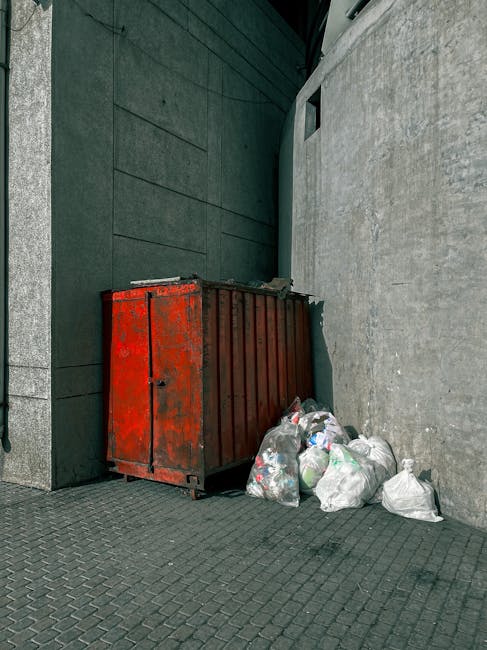
Affordable rubbish clearance Chislehurst High Street homes
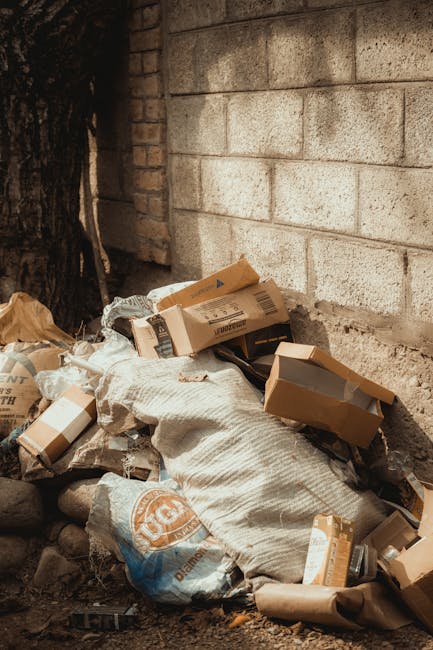
If you live near Chislehurst High Street, rubbish has a funny way of building up quietly. One broken chair in the hall, a few bags from the loft, a garden pile that "will be sorted next weekend"... and suddenly the place feels smaller, messier, and a lot less peaceful. Affordable rubbish clearance for Chislehurst High Street homes is really about getting that space back without paying for more than you need.
This guide explains how home clearance usually works, what affects the price, what to look for in a provider, and how to avoid the common money-wasters. It is written for real households, not idealised ones. Flats, terraces, family homes, rental properties, inherited contents, post-renovation mess - all of it. And yes, the practical side matters just as much as the price tag.
Why Affordable rubbish clearance Chislehurst High Street homes Matters
Home rubbish clearance is not just about tidying up. Around a busy local high street, homes often deal with tighter access, parked cars, narrow driveways, awkward stairwells, and that slightly annoying "where do we put the waste while we wait?" problem. When clearance is affordable and well organised, it becomes a practical reset rather than a stressful project.
It matters for a few clear reasons. First, waste in the home tends to spread. A bag in the corner becomes three. A sofa you meant to dispose of becomes a storage shelf. Before long, the clutter affects how you use the space, and not in a good way. Second, the right clearance approach can be cheaper than doing everything piece by piece, especially if you are clearing bulky items or mixed household waste. Third, a proper service helps you deal with items responsibly, which is a lot better than the old "dump it somewhere and hope for the best" routine. Let's face it, that never ends well.
For many Chislehurst High Street homes, affordability also means convenience. If you are juggling work, children, older relatives, or a renovation, the real value is not only the price. It is the time saved, the lifting avoided, and the fact that the job actually gets finished the same day rather than hanging over you all week.
Expert summary: The most affordable rubbish clearance is not always the cheapest quote on paper. It is the option that removes the right waste, avoids wasted trips, keeps labour efficient, and leaves you with no surprise add-ons.
How Affordable rubbish clearance Chislehurst High Street homes Works
In plain English, home rubbish clearance is a collection-and-removal service for unwanted items that are too bulky, too mixed, or too much hassle for normal household bins. The process is usually straightforward, but the details matter if you want to keep costs sensible.
Most jobs follow a simple pattern: you describe what needs removing, you get an estimate or quote, the team arrives, loads the waste, and takes it away for sorting, reuse, recycling, or disposal. If the property is hard to access, the crew may need a little more time. If the rubbish is neatly grouped and ready to go, it tends to move faster. That is where the savings often happen. Not glamorous, but true.
For homes on or near Chislehurst High Street, access can be a deciding factor. A hallway full of boxes, a basement room, a top-floor loft, or a side passage with limited clearance can affect the time needed on site. This is one reason why clear photos and honest item descriptions help so much. You are not being picky. You are helping keep the job efficient.
Affordable rubbish clearance also works best when the provider understands what can and cannot be taken. For example, standard household items, old furniture, general junk, and bagged waste are usually straightforward. Certain items need more care, such as fridges, electronics, mattresses, or anything potentially hazardous. If you are unsure, check the service details first rather than finding out at the door. That awkward pause is no one's favourite part of the day.
If your home project involves a wider clear-out, you may find related services useful too, such as home clearance, house clearance, or flat clearance. For bulky items specifically, furniture clearance and furniture disposal can be a better fit than general waste removal.
Key Benefits and Practical Advantages
The biggest benefit is simple: you get space back. But the real-world advantages go a bit further than that.
- Lower overall cost: A well-planned clearance can be more cost-effective than several small trips or hiring equipment you do not fully use.
- Less physical strain: Heavy lifting, awkward items, and stair carrying can be a lot. Professional help avoids sore backs and scratched walls.
- Faster results: What might take you a whole weekend can often be done in a single visit.
- Cleaner finish: When the team removes rubbish properly, the home feels instantly more manageable.
- Better sorting: Reusable and recyclable items can be separated more effectively than a rushed DIY clear-out.
- More predictable planning: If you know the scope in advance, you can budget properly and avoid half-finished work.
There is also a quieter benefit people sometimes overlook: mental relief. A cleared room can change how a home feels at 8am on a weekday, or when you come back in after a long commute. Less visual noise, fewer decisions hanging over you. It sounds small until you live with it.
For households trying to keep waste budgets under control, it can also help to compare clearance with waste removal or, where appropriate, to check what can go in a skip. Sometimes the best value comes from the simplest route. Sometimes not. Depends on the load, really.
Who This Is For and When It Makes Sense
Affordable rubbish clearance is useful for more people than you might think. It is not only for big house moves or dramatic renovation projects. In fact, a lot of the work is ordinary life admin that quietly gets out of hand.
It makes sense if you are:
- clearing out a spare room, loft, garage, or shed
- preparing a property for sale or letting
- moving house and need to reduce what you take with you
- dealing with bulky furniture or old appliances
- sorting out after decorators, builders, or DIY work
- helping a relative with a long-overdue home clear-out
- simply tired of living around clutter and bagged rubbish
It is also a good fit if access is awkward. Some homes near Chislehurst High Street are easy enough for loading, while others have a narrow entrance, stairs, or no convenient place for a skip. In those cases, a man-and-van style clearance can be more practical and often better value. You pay for effort and efficiency, not for wasted capacity sitting outside your front door.
For specific rooms or item types, these services can be especially relevant: garage clearance, loft clearance, garden clearance, and mattress and sofa disposal. If your clear-out includes broken white goods, you may also need fridge and appliance removal.
Truth be told, if the rubbish has started to feel like a project in its own right, that is usually the sign to act. Waiting rarely makes it cheaper. It just makes it more annoying.
Step-by-Step Guidance
If you want to keep your clearance affordable, treat it like a small project. Not a crisis. Not a vague "we'll sort it later." A project.
- Make a rough inventory. Walk through the home and list the main categories: bags, furniture, appliances, wood, general mixed waste, and anything special.
- Separate obvious keepers from waste. The fewer mixed piles there are, the easier it is to quote accurately.
- Take clear photos. Wide shots of each room and close-ups of bulkier items help a team estimate time and loading needs.
- Flag awkward access. Mention stairs, tight hallways, parking limits, locked gates, or any restrictions before the appointment.
- Ask what is included. Labour, loading, disposal, recycling, and any extra handling should all be clear before you agree.
- Group items where practical. If safe to do so, place waste in one area rather than leaving it spread throughout the property.
- Remove personal valuables and documents. Check drawers, boxes, bags, and pockets. People do leave surprises in old furniture, surprisingly often.
- Confirm the collection plan. Make sure you understand timing, access, and payment before the team arrives.
A small tip that saves time: label what should stay and what should go. A bit of masking tape and a marker pen can prevent confusion. It sounds almost too basic, but basic is often the magic ingredient. And nobody wants to lose a lamp because it looked "probably rubbish".
If the job includes documents, confidential papers, or business material found during a home office clear-out, it may be worth looking at confidential shredding as part of your wider plan. Domestic and work life collide more than people admit.
Expert Tips for Better Results
After enough clear-outs, a pattern appears. The cheapest jobs are usually the ones with the least uncertainty. Here is how to reduce uncertainty without making the process awkward.
- Be honest about volume. Underestimating the amount of rubbish is one of the easiest ways to cause a price jump later.
- Sort by type, not just by room. Putting all wood together, all metal together, and all general waste together can make loading and sorting more efficient.
- Keep pathways clear. If the team can move safely and quickly, the job often takes less time.
- Ask about recycling-first handling. A provider focused on reuse and recycling may help keep waste costs sensible in the long run.
- Schedule before the pile becomes unmanageable. Small jobs are easier to control than "everything in the spare room plus the bits in the shed".
One slightly old-school but effective trick is to work from the top down: loft, cupboards, then main rooms, then the garden or garage. That prevents you from moving items twice. I know, thrilling. But efficient.
If your project involves more than house clutter, a broader recycling and sustainability approach can help you choose what gets reused, what gets recycled, and what truly needs disposal. That sort of thinking usually saves money as well as waste.
Another useful habit: have a quick "decision box" for items you are unsure about. Keep, donate, sell, or remove. If something sits in that box for months, it is probably not a priority item. Harsh, but fair.
Common Mistakes to Avoid
Most clearance problems are avoidable. The tricky bit is that they look minor at first, then turn into delays, extra labour, or unnecessary cost. A few to watch out for:
- Choosing on price alone. A low quote is only good value if it includes the full job and the provider is properly prepared.
- Hiding awkward items. If you do not mention a fridge, mattress, or heavy cabinet, the quote may no longer be realistic.
- Not checking access. Parking issues, stair counts, and narrow entrances can affect the work much more than people expect.
- Mixing special waste with general waste. Hazardous or restricted items need to be handled properly, not just tossed in a pile.
- Leaving sorting until collection day. That often slows everything down and makes the crew's job harder than it needs to be.
- Forgetting about hidden storage. Sheds, cupboards, loft corners, under-bed boxes - the usual hiding places.
Another classic mistake is assuming every clearance service works exactly like a skip. It does not. A clearance team loads, sorts, and removes waste for you. That convenience matters, especially in homes where space is tight. If you only need a container, the comparison is different. If you need hands-on removal, it is not even close.
And do not be embarrassed to ask questions. What happens to the waste? What is included? What if there are more items than expected? A good provider should answer clearly. If the answers are slippery, that tells you something.
Tools, Resources and Recommendations
You do not need much gear to prepare for a clearance, but a few simple tools help a lot.
- Marker pen and tape: for labelling keep/remove items.
- Phone camera: for room photos and item lists.
- Heavy-duty bags or boxes: useful for smaller loose waste.
- Gloves and sturdy shoes: especially if you are moving anything yourself.
- Basic measuring tape: helpful for bulky furniture or narrow access points.
For planning a fuller clearance, a combination of services can be smarter than trying to force everything into one category. For example, a room-by-room clear-out may need house clearance for the main property, then garage clearance for storage areas, and maybe builders waste clearance if a DIY project has left rubble, timber, or mixed renovation debris.
If you want to understand service scope before booking, the pages on pricing and quotes and book online are useful starting points. It is often better to compare clearly defined options than to guess at what you need. Guessing is expensive. More than people think.
Law, Compliance, Standards, or Best Practice
In the UK, household waste should be handled carefully and passed on to an authorised waste carrier. That matters because once rubbish leaves your property, you still want it to be dealt with responsibly. You do not need to become a legal expert, but you should expect any provider to operate safely and lawfully.
Best practice usually includes the following:
- clear pricing and scope before work starts
- proper handling of electrical items, mattresses, and bulky waste
- safe manual handling and sensible lifting practices
- separation of recyclable materials where practical
- careful treatment of any hazardous or unusual items
If you have items that may be classed as hazardous, do not assume they can go with ordinary rubbish. That includes certain chemicals, paints, batteries, and similar materials. Ask first and follow the service guidance. A cautious approach is not overkill here. It is just sensible.
Good providers also tend to maintain clear policies around safety and security. If you like to check these things before booking, it is reasonable to review information on health and safety, insurance and safety, payment and security, and terms and conditions. That is not being fussy. That is responsible buying.
For customer-facing transparency, it also helps if a company explains its approach to about us, complaints procedure, and modern slavery statement. Those pages speak to how seriously a business takes its obligations, even when the job itself is just a pile of old stuff in the hallway.
Options, Methods, or Comparison Table
Different rubbish clearance methods suit different homes and budgets. The best option depends on volume, access, time pressure, and how much hands-on work you want to do yourself.
| Method | Best for | Pros | Possible drawbacks |
|---|---|---|---|
| Professional rubbish clearance | Mixed household waste, bulky items, quick turnaround | Fast, hands-off, suitable for awkward access | Can cost more if the job is poorly scoped |
| Skip hire | Projects with space outside and time to load yourself | Good for larger volumes, simple once placed | Needs space, permits may be relevant, you do the lifting |
| Self-haul to a disposal point | Small amounts and people with a vehicle | Can be cheaper upfront | Time-consuming, tiring, multiple trips may be needed |
| Room-by-room home clearance | Lofts, garages, estate clear-outs, cluttered properties | Structured, manageable, good for whole-property jobs | May take longer if items are not grouped sensibly |
For many Chislehurst High Street homes, the professional clearance option is the sweet spot. Not because it is flashy, but because it reduces friction. If your main challenge is access, time, or mixed items, that alone can make it the most affordable in practical terms.
Case Study or Real-World Example
Here is a realistic example. A homeowner near Chislehurst High Street wanted to clear a spare room that had slowly become storage for broken furniture, old boxes, an unused treadmill, and bags from a previous loft tidy-up. Nothing dramatic. Just the kind of room you stop opening unless necessary.
At first, the plan was to do it over two weekends. Then the homeowner looked at the stairs, the bulky chair, the awkward frame in the corner, and the pile of mixed bags and thought, no chance. Fair enough. The room had become a bottleneck.
By grouping items before collection, separating a few keepers, and providing clear photos in advance, the clearance was made far simpler to plan. The key savings came from not wasting labour on decisions during the visit. No running back and forth. No surprise items emerging halfway through. The room was cleared, the floor was visible again, and the whole space felt usable. A small thing, maybe. But a very real one.
That is often what affordable clearance looks like in practice. Not a bargain-bin miracle. Just efficient, honest work with enough planning to avoid paying for chaos.
Practical Checklist
Use this before booking your rubbish clearance:
- Have you listed the main items and estimated volume?
- Have you separated keep, donate, and remove items?
- Have you taken photos of the rooms and bulky objects?
- Have you noted stairs, parking limits, and access issues?
- Do you know if any items need special handling?
- Have you checked what is included in the quote?
- Have you removed valuables, documents, and personal items?
- Do you understand how the provider handles recycling and disposal?
- Have you confirmed timing and any arrival instructions?
- Have you compared the cost against skip hire or doing it yourself?
If you can tick most of those boxes, you are already ahead of the game. Honestly, quite a lot ahead.
Conclusion
Affordable rubbish clearance for Chislehurst High Street homes is not just about finding the lowest number. It is about getting a clear, manageable service that fits your property, your access, your schedule, and the type of waste you have. When those pieces line up, the job feels easy instead of exhausting.
The best results usually come from simple preparation: good photos, honest descriptions, a bit of sorting, and a realistic understanding of what needs removing. Whether you are clearing a single room or dealing with a full houseful of clutter, the right approach can save time, reduce stress, and keep costs under control without cutting corners.
Get a free quote today and see how much you can save.
And if the pile has been staring at you for weeks, maybe today is the day to stop negotiating with it. Your home will breathe easier, and so will you.
Frequently Asked Questions
What does affordable rubbish clearance for Chislehurst High Street homes usually include?
It usually includes collection, loading, transport, and responsible disposal or recycling of household waste and bulky items. The exact scope depends on the provider and the type of rubbish.
Is rubbish clearance cheaper than skip hire for a home?
Sometimes, yes. If you have limited space, heavy items, or mixed waste, a clearance service can be better value because you are paying for labour as well as removal. If you can load everything yourself, skip hire may suit some jobs better.
How can I keep the cost down?
Sort items in advance, give accurate photos, be honest about volume, and mention access issues early. Those small things make quoting easier and reduce the chance of surprises.
Can I book rubbish clearance for just one or two bulky items?
Yes, that is common. Sofas, mattresses, wardrobes, fridges, and other large items are often removed as standalone jobs. It is worth checking whether the provider offers the most suitable disposal route for the item.
What if my home has tight access or stairs?
That is exactly the kind of detail to mention before booking. Tight access can affect how the crew plans the work, but it does not usually stop a clearance from being done.
Can household rubbish be mixed with garden or builders waste?
It can be collected together in some cases, but not always at the same price or under the same handling rules. Mixed loads should be described clearly so the provider can assess them properly.
Do I need to be at home during the clearance?
Often yes, especially if access needs to be arranged or if you want to confirm what goes and what stays. Some jobs can be handled with limited contact, but that depends on the service and the site setup.
What items need special care?
Fridges, appliances, mattresses, sofas, and potentially hazardous items may need specific handling. If you are unsure, ask before collection rather than assuming they can go with ordinary rubbish.
How do I know a service is trustworthy?
Look for clear pricing, straightforward terms, sensible safety information, and a provider that explains how waste is managed. If the quote is vague or the answers are slippery, that is usually a warning sign.
Is it worth clearing the loft or garage at the same time?
Yes, if you are already having a collection. Combining areas can save time and may improve value because the team can remove more in one visit rather than coming back later.
What happens to the waste after collection?
Good practice is that it is sorted for reuse, recycling, or disposal depending on the material. A responsible provider should be able to explain that process in simple terms.
Where should I start if I'm not sure how much needs removing?
Start with the obvious large items and bagged waste, then work room by room. A quick photo set and a rough list is usually enough to begin a quote conversation without turning the job into a weekend of admin.
Contact the team for friendly advice if you want help planning the best clearance approach for your home. A clear conversation at the start tends to save a lot of hassle later.